

How to Keep Skin Looking Younger
Looking after your skin consistently can help it appear brighter, smoother and healthier over time. Sonia Norman of Cheltenham Skin & Facials shares simple skincare habits that can support younger-looking skin, from daily SPF to cleansing, exfoliation and targeted skincare ingredients.
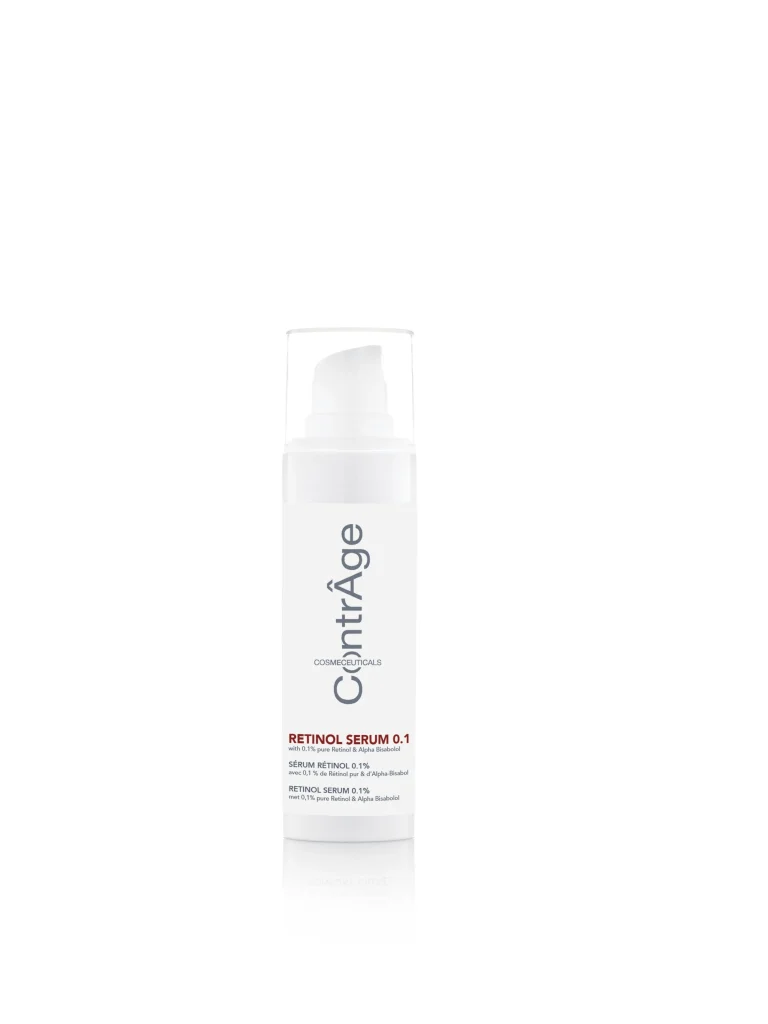
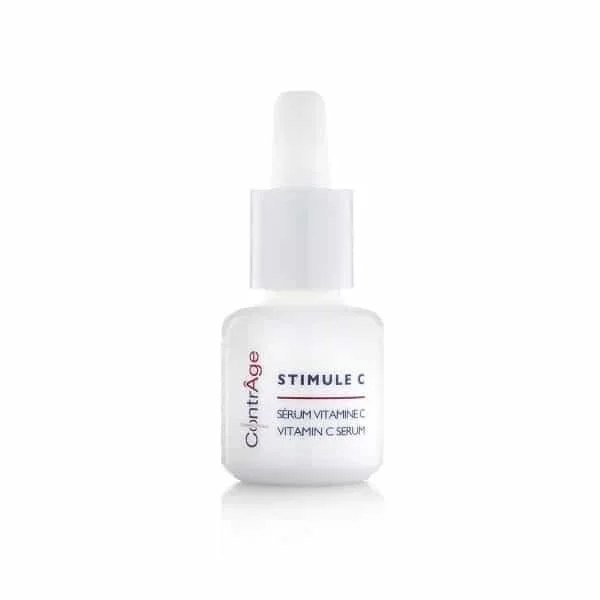
The pillars of anti-ageing skincare are vitamin C serum, retinol, hyaluronic acid, and a mineral SPF. I love the ContrAge Stimule C serum, and for sun protection I use Glo Oil Free SPF 40+, which is a chemical-free sunscreen with hyaluronic acid.

Daily Habits for Younger-Looking Skin
Wear SPF Every Day
Use SPF 30 or SPF 50 every day, even in winter. UV exposure is one of the main causes of premature skin ageing, so daily sun protection is one of the most important habits for keeping skin looking younger. A tinted SPF can also be a good option if you want a little coverage as well as protection.
Cleanse Properly at Night
Thorough cleansing at night helps remove makeup, sunscreen, oil and daily build-up from the skin. When skin is not cleansed properly, it can start to look dull or congested. Choose a gentle foaming or creamy cleanser and rinse well with warm water.
Exfoliate Carefully
Exfoliating regularly can help improve skin texture and brightness, but it is important not to overdo it. Once a week is a good starting point for many people. We often recommend gentle AHA exfoliants or light fruit-acid-style exfoliation. If your skin is sensitive, redness-prone or has visible veins, avoid harsh scrubs.
Moisturise Face and Neck
A good moisturiser used morning and evening can help support the skin barrier and improve hydration. Look for ingredients such as hyaluronic acid, which helps attract water to the skin and can help the skin look smoother and more comfortable.
Add a Skin Serum
Serums can be a useful way to add targeted ingredients to your routine. Ingredients such as vitamin C, niacinamide, vitamin B5 and retinol are popular choices depending on your skin concerns and tolerance.
Peptides & Growth Factors
Peptides and growth factor-based skincare are often used to support the look of ageing skin. These ingredients are commonly included in more advanced skincare routines designed to help skin appear smoother, healthier and more resilient over time.
Support Circulation with Facial Massage
A gentle facial massage can help support circulation and can be a relaxing part of your evening skincare routine. You can do this yourself once makeup has been removed, using a facial oil that suits your skin.
Breakouts, Congestion and Irritated Skin
Breakouts and congestion can make skin look tired and uneven, so keeping pores clear is also an important part of maintaining healthy-looking skin. If your skin is becoming more spot-prone, congested or irritated, treatments such as red and blue LED light therapy and selected skin peels may help support clearer-looking skin.
Younger-Looking Skin FAQs
What is the most important habit for younger-looking skin?
For many people, daily SPF is one of the most important habits because UV exposure is a major factor in premature skin ageing.
Do I need SPF in winter?
Yes. Daily SPF is still important in winter because UV exposure can affect the skin year-round.
How often should I exfoliate?
Once a week is a sensible starting point for many people, although the right frequency depends on your skin type and the exfoliant you use.
Which ingredients are helpful for ageing skin?
Commonly used ingredients include vitamin C, niacinamide, retinol, peptides and hyaluronic acid, but the best routine depends on your skin and goals.
When should I book a skin consultation?
If you are unsure which products or treatments are right for your skin, a consultation can help you build a more personalised skincare and treatment plan.
If you would like help choosing the right skincare routine or treatments for ageing, dull or congested skin, explore our signature facials and microneedling and book a skin consultation.
